
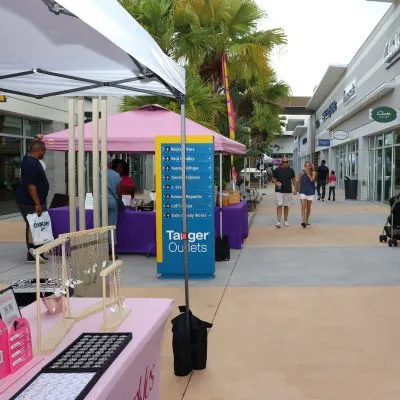
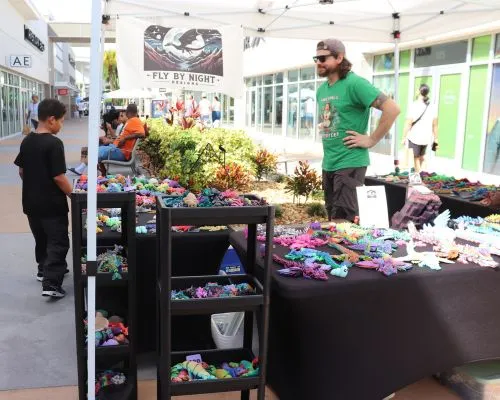
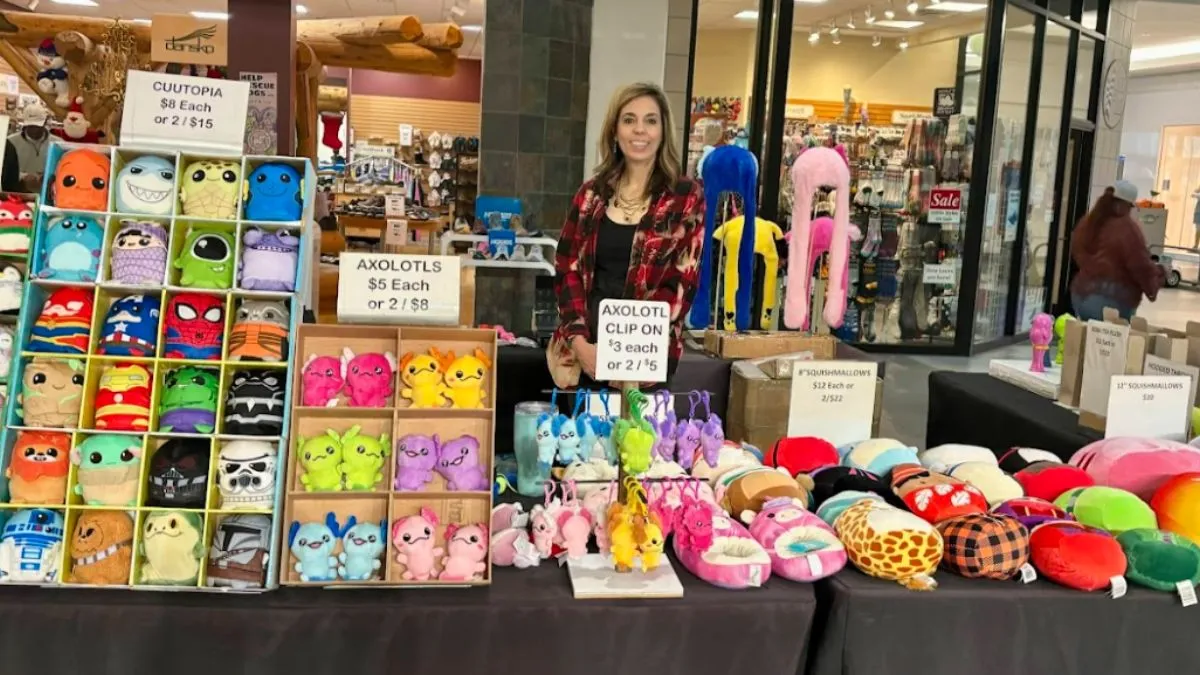
Every vendor experiences a slow market day from time to time. While it can be disappointing when foot traffic is lighter than expected or sales aren’t meeting your goals, slow days don’t have to be wasted days.
In fact, quieter markets can provide valuable opportunities to strengthen your business, connect with customers, and prepare for future success. Here are ten ways to make the most of a slower event.
1. Build Stronger Customer Connections
When traffic is light, you have more time to engage with each shopper who visits your booth. Share your story, explain your products, answer questions, and create memorable interactions. A meaningful conversation today could lead to a loyal customer tomorrow.
2. Evaluate Your Booth Presentation
Use the downtime to take a fresh look at your setup. Ask yourself:
- Is your booth inviting from a distance?
- Are your best-selling products easy to see?
- Is your signage clear and professional?
Consider making small adjustments to improve visibility and shopper flow.
3. Network With Fellow Vendors
Some of the best business opportunities come from relationships within the vendor community. Introduce yourself to neighboring vendors, exchange ideas, discuss upcoming events, and explore potential collaborations.
4. Create Content for Social Media
Take photos and videos of your booth, products, and event setup. Capture behind-the-scenes moments and customer interactions. This content can be used for future social media posts, stories, emails, and marketing campaigns.
5. Review Your Pricing and Promotions
A slower day can be a good time to evaluate your pricing strategy.
Ask yourself:
- Are your prices competitive for your market?
- Are customers hesitant because of price?
- Would a bundle or special offer encourage purchases?
Small adjustments can sometimes make a big difference.
6. Organize Your Inventory
Use the extra time to straighten displays, count inventory, and identify trends. Take note of which products receive the most attention and which items may need to be refreshed, repositioned, or retired.
7. Gather Customer Feedback
The shoppers who stop by can provide valuable insights.
Ask questions such as:
- What caught your attention?
- Which products do you like most?
- What would you like to see in the future?
Their feedback can help guide future product development and merchandising decisions.
8. Refine Your Customer Approach
A slow day gives you an opportunity to practice how you engage with shoppers. Test different greetings, product descriptions, and sales conversations to see what feels most natural and effective.
9. Plan Ahead
Use the downtime productively by setting goals for future events. Consider:
- New products to introduce
- Upcoming seasonal collections
- Marketing campaigns
- Business goals for the next quarter
Planning during slower moments can help position your business for growth.
10. Stay Positive and Focus on the Bigger Picture
Not every event will be your highest-grossing day, and that’s okay. Markets are about more than immediate sales. Every conversation, email signup, social media follow, and customer interaction helps build your brand and expand your reach.
Successful vendors understand that growth happens over time. Staying positive, professional, and engaged—even during slower events—can create opportunities that pay off long after the market ends.
Booth Essentials
A professional booth presentation can have a significant impact on customer engagement, shopper experience, and overall sales performance. From eye-catching displays to organized inventory storage, the right tools can help your business stand out at any event.
We’ve curated a list of vendor-favorite Booth Essentials, including signage holders, display risers, lighting, table covers, storage solutions, branding accessories, and organization tools designed to help vendors create polished and professional setups.
Explore the complete Booth Essentials list:
Shop Our Amazon Booth Essentials List
Whether you’re a new vendor building your first booth or a seasoned exhibitor looking to refresh your setup, these tools can help improve booth presentation, customer flow, and overall shopper experience.
Final Thoughts
A slow market day doesn’t define your business. Instead of focusing solely on sales, use quieter moments to strengthen customer relationships, improve your booth, create content, gather feedback, and plan for future success.
Sometimes the most valuable outcomes from an event aren’t measured by what you sell that day, but by the connections and opportunities you create for the future.