Setting the right price for your products is one of the most important decisions you’ll make as a vendor. Price too high, and you may lose potential customers. Price too low, and you may struggle to make a profit despite strong sales.
Finding the right balance requires understanding your costs, knowing your audience, and testing different approaches over time.
Here are several pricing strategies that can help vendors maximize both sales and profitability at craft shows, vendor markets, and pop-up events.
1. Understand Your Costs First
Before setting prices, make sure you know exactly what it costs to produce your products.
Consider:
- Materials and supplies
- Packaging
- Labor and production time
- Booth fees
- Marketing expenses
- Credit card processing fees
- Travel costs
Your pricing should not only cover these expenses but also generate a profit that makes your business sustainable.
Many vendors unintentionally underprice their products because they fail to account for all of their costs.
2. Research Your Market
Spend time observing vendors who sell similar products.
Ask yourself:
- What are comparable products selling for?
- How is their quality compared to yours?
- What makes your products unique?
- What value do you offer that others may not?
Remember, pricing should not be based solely on competitors. Your craftsmanship, quality, customer service, and brand story all contribute to perceived value.
3. Offer Products at Multiple Price Points
Not every customer walks into a market with the same budget.
Having a variety of price points allows you to appeal to a broader audience.
Examples:
- Small impulse-purchase items under $10
- Mid-range products between $20–$50
- Premium products for customers looking for something special
A well-rounded product lineup often results in higher overall sales.
4. Create Product Bundles
Bundles can increase average transaction size while providing value to customers.
Examples include:
- Buy 2, Save 10%
- Buy 3, Get 1 Free
- Gift sets
- Product collections
- Mix-and-match specials
Bundling helps customers feel like they’re receiving a deal while allowing vendors to move more inventory.
5. Use Simple, Shopper-Friendly Pricing
The easier it is for customers to understand pricing, the easier it is for them to make purchasing decisions.
Examples:
- $5
- $10
- $15
- $20
- $25
Simple pricing also makes transactions faster during busy events.
Many vendors find that clearly marked, easy-to-understand prices lead to more sales and fewer customer questions.
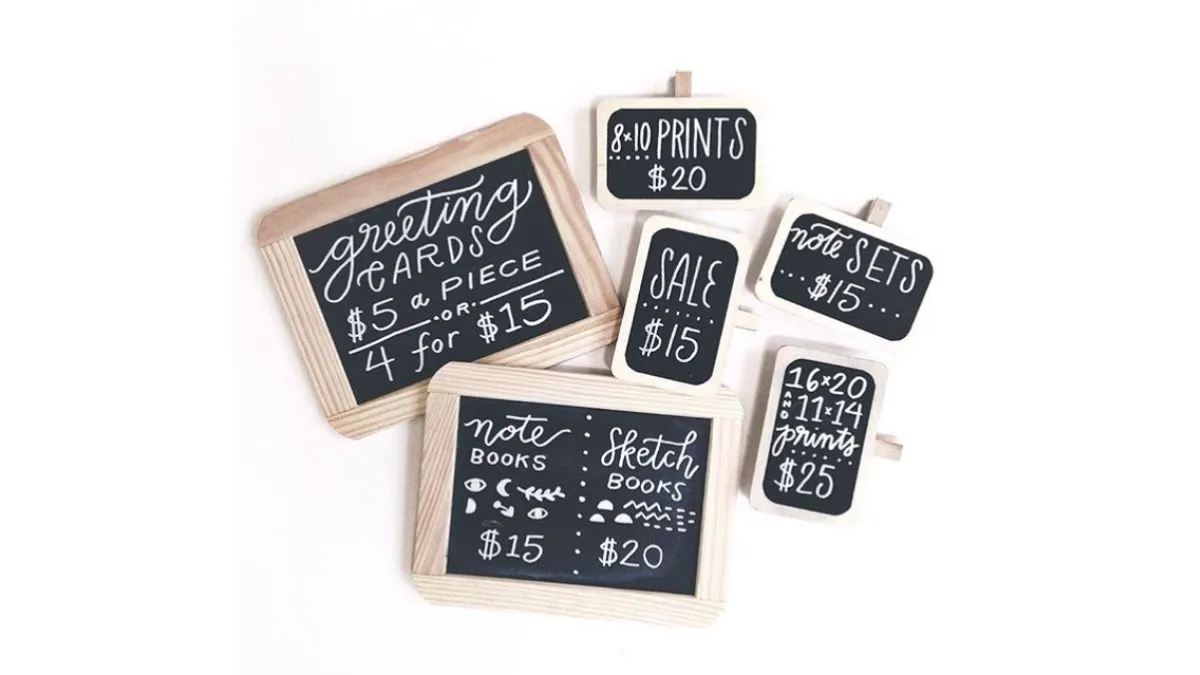
6. Clearly Display Prices
One of the most common mistakes vendors make is failing to display prices.
Many shoppers will not ask how much something costs. Instead, they will simply move on.
Use:
- Price signs
- Product tags
- Table signage
- Display cards
Clear pricing creates transparency and helps shoppers feel more comfortable purchasing.
7. Offer Limited-Time Promotions
Special event pricing can encourage customers to purchase immediately rather than waiting.
Ideas include:
- Market-day specials
- Event-exclusive products
- Bundle discounts
- End-of-day promotions
- Seasonal offers
Creating urgency can help convert browsers into buyers.
8. Track What Sells
Your pricing strategy should evolve as you gain experience.
After each event, review:
- Best-selling items
- Slow-moving products
- Average transaction value
- Customer feedback
- Inventory performance
Over time, these insights help you make more informed pricing decisions and improve profitability.
Booth Essentials
Professional pricing displays are an important part of every successful vendor booth. We’ve curated a list of Booth Essentials including signage holders, price display stands, display risers, table covers, lighting, storage solutions, branding accessories, and booth organization tools to help vendors create polished and professional setups.
Explore the complete Booth Essentials list:
Shop Our Amazon Booth Essentials List
The right display tools can help customers quickly understand your pricing, improve booth flow, and increase overall sales opportunities.
Final Thoughts
Pricing is both an art and a science. While there is no perfect formula, understanding your costs, knowing your customers, and continuously testing different strategies can help you build a profitable and sustainable business.
Remember, successful pricing isn’t about being the cheapest vendor at the market. It’s about clearly communicating the value of your products and ensuring your business remains profitable for years to come.
For vendor guidance, event preparation support, or questions about upcoming markets, contact info@hometownvendormarket.com. Hometown Vendor Market is committed to helping vendors grow and succeed at every event.